01
Product scope
Digital gauges are selected by display type, pressure range, accuracy requirement, process connection, power needs and enclosure requirements. OEM branding or special output needs should be reviewed by inquiry.
Manogauge supplies digital pressure gauges with electronic display for applications that require clear numerical readout, maintenance checks or easier local pressure confirmation.
These pages cover custom OEM, China factory, explosion-proof and medical pressure gauge buying-intent queries, giving Googlebot a stronger internal path to rediscover and recrawl them.
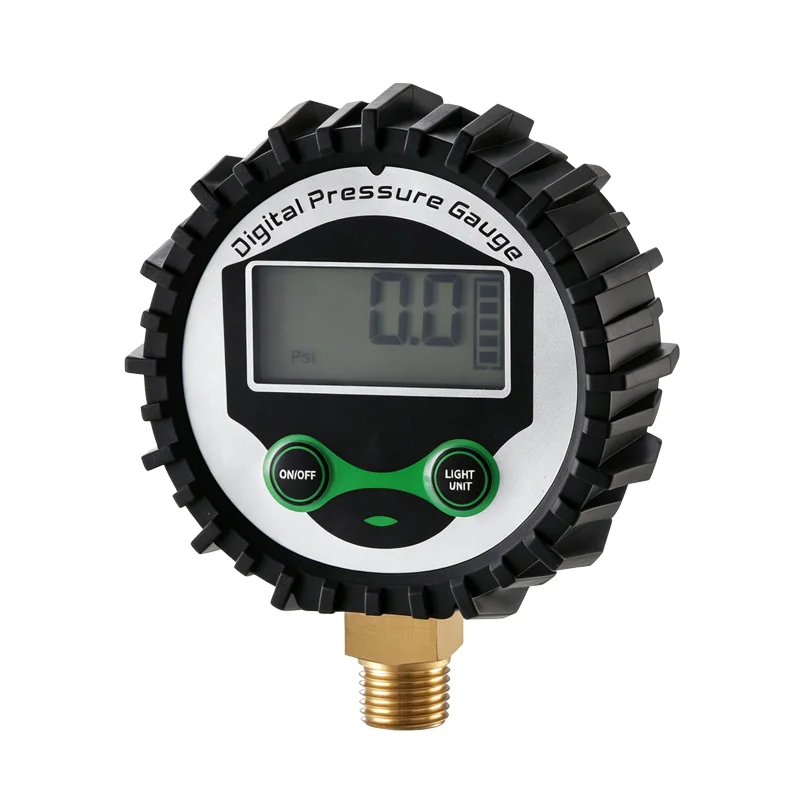
ZX-09-1 · 0–60 MPa · ±0.5%
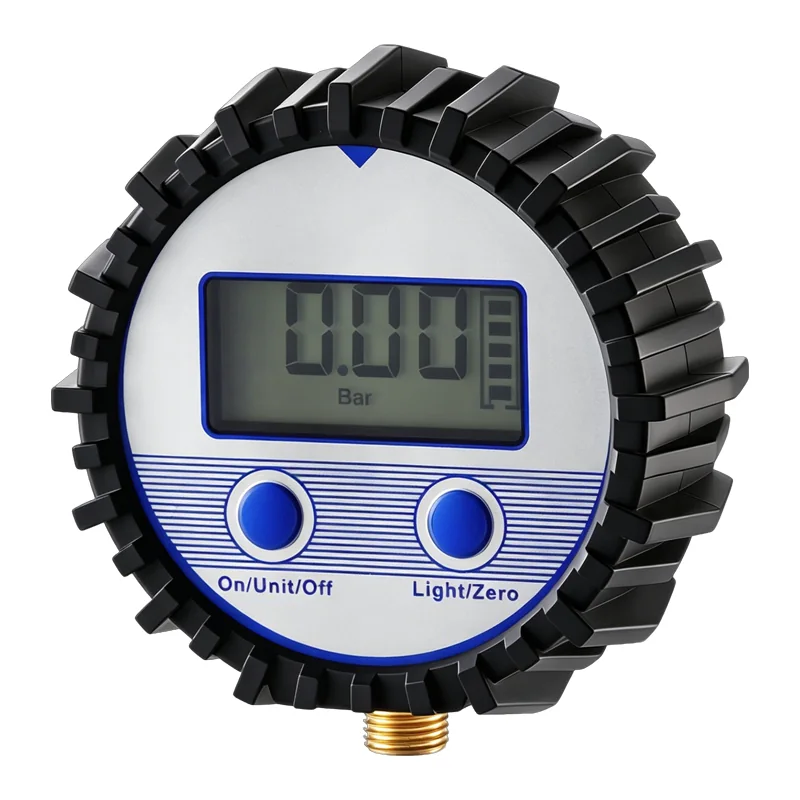
ZX-09-2 · 0–60 MPa · ±0.5%
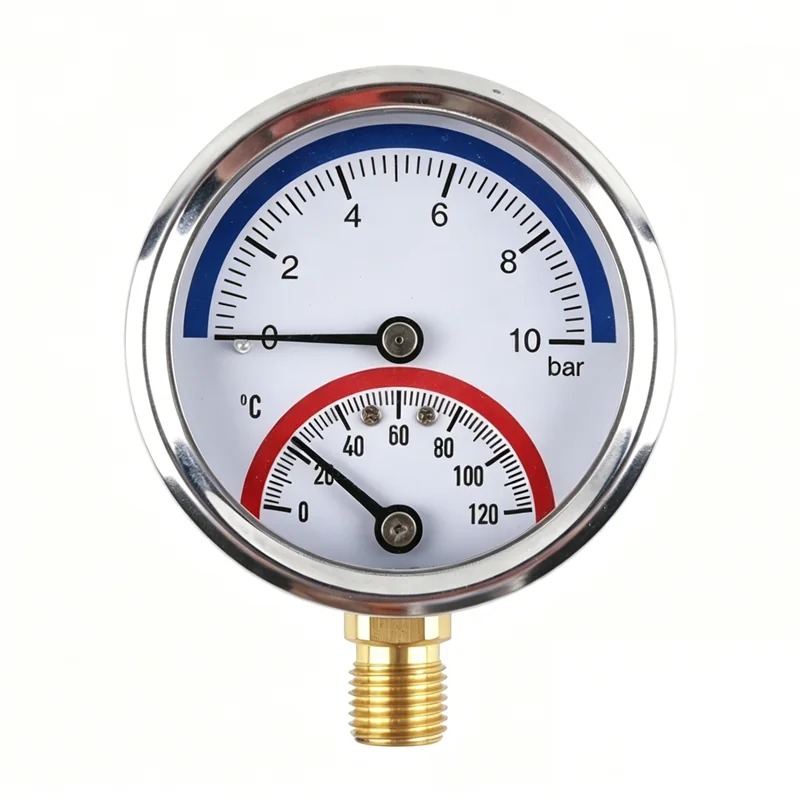
ZX-14T-R · 0–16 bar / 0–120°C · ±2.5%
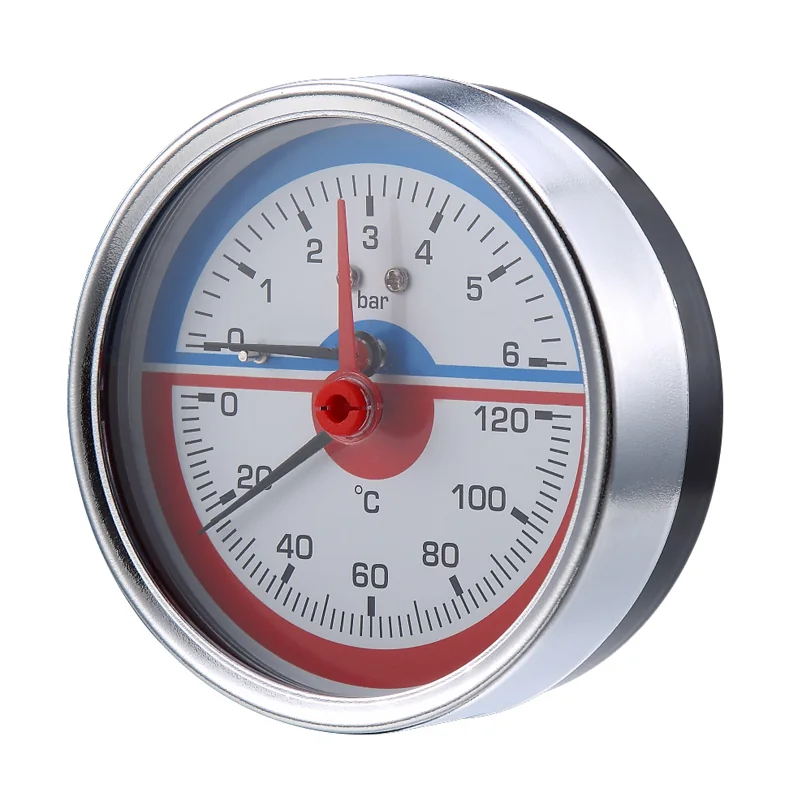
ZX-14T-A · 0–16 bar / 0–120°C · ±2.5%
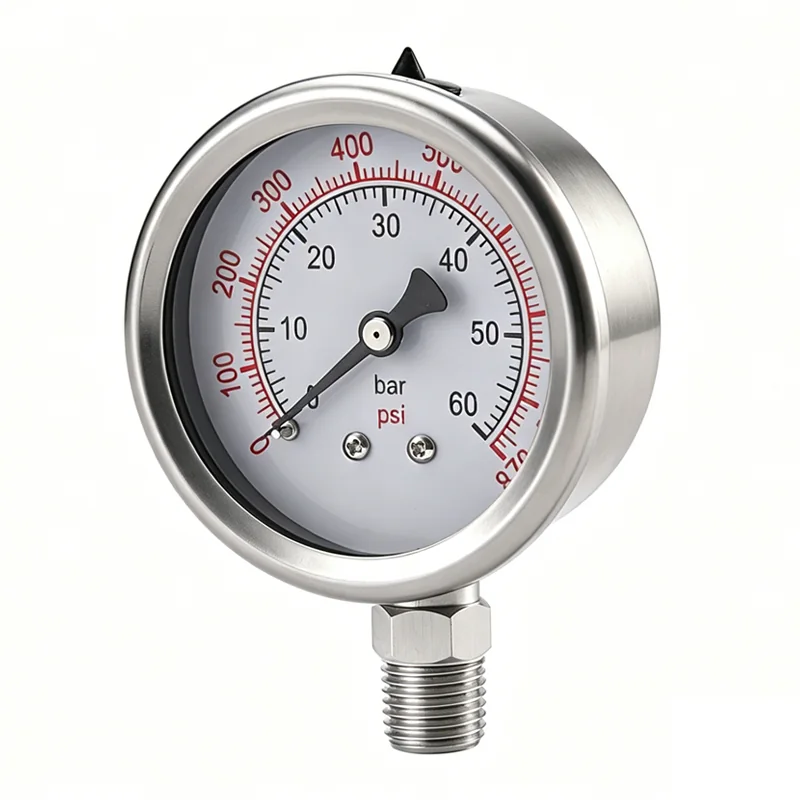
ZX-01-R · 0–100 MPa · ±1.0 / 1.6%
Digital gauges are selected by display type, pressure range, accuracy requirement, process connection, power needs and enclosure requirements. OEM branding or special output needs should be reviewed by inquiry.
Digital gauges are preferred where numeric readout reduces operator reading error, or where the installation environment makes a conventional dial gauge difficult to read due to vibration, distance or angle.
Laboratory and calibration benches, automated process control skids, cleanroom utilities, compressor and pump test stands, HVAC building management systems and any OEM equipment requiring a clearly visible numeric pressure display.
Digital gauges are quoted two different ways, and the difference decides whether the instrument is fit for your duty. Percent of full-scale span (%FS) fixes the tolerance to the top of the range: a 0-100 bar gauge at 0.25 %FS is within 0.25 bar anywhere on the scale, including at 5 bar, where that is a 5 % error of the actual reading. Percent of reading (%RD) scales the tolerance with the measured value, so the same accuracy figure holds proportionally at the low end. Analogue Bourdon gauges are always classed on span, which is why a digital gauge quoted at 0.05 %FS is not automatically twenty times better than a class 1.0 mechanical gauge in the part of the range you actually use. Also confirm the total error band over the operating temperature range: a headline accuracy figure is normally stated at a reference temperature near 20 degrees Celsius, and the temperature coefficient can dominate in an outdoor or heated installation. Finally, treat display resolution as a separate question — extra digits do not add accuracy and can imply a precision the sensor does not have.
Battery-powered digital gauges trade run time against update rate and display brightness. A fast sampling rate is needed to catch pump pulsation or hydraulic spikes; a slow rate extends battery life for a tank or filter reading that changes over hours. Confirm the battery type, whether it is user-replaceable, whether replacement can be done in place or requires removing the instrument, and what the expected life is at your sampling setting rather than at the most economical setting on the datasheet. Loop-powered and externally powered versions remove the battery question entirely but require wiring, which is often the deciding factor on a retrofit. For classified areas, a digital gauge is not acceptable simply because it is battery powered: an intrinsically safe or explosion-protected version with the appropriate certificate is required, and the marking must match the zone, gas group and temperature class of the installation. If your site is a classified area, state the zone and gas group in the enquiry and ask which certified models and documents can be supplied, rather than assuming a standard model can be used.
Final configuration still depends on medium, temperature, pressure, connection and documentation requirements.
| Item | Common options | Selection note |
|---|---|---|
| Pressure range | Vacuum, compound and positive pressure ranges by sensor | Select the range so normal pressure sits near the middle of the sensor span. |
| Accuracy | General industrial to high-accuracy reference grades by model | Do not confuse display resolution with true accuracy; calibration use needs certificate scope confirmed. |
| Display | LCD or LED local display | Backlight and digit height matter for low-light panels or equipment mounted above eye level. |
| Connection | NPT, BSP, G or metric thread by RFQ | Match the thread standard to the existing manifold, test bench or equipment port. |
| Power / output | Battery local display, external DC, 4–20 mA or RS485 by model | Confirm whether the unit is only a local indicator or must feed a control system. |
For an OEM compressor test bench, digital gauges help operators record repeatable discharge pressure readings during acceptance testing. The RFQ should state the pressure range, sampling expectation, display visibility, connection thread and whether the data must be logged by PLC or manually recorded.
Use the RFQ form when you have range, connection, quantity or drawings before preparing the full purchase file.
They are better for numeric readability and resolution, while analog gauges can be simpler and easier to scan. The right choice depends on the application.
Some applications use digital gauges for checks, but calibration-grade use requires confirmed accuracy, traceability and procedure requirements.
Provide pressure range, accuracy requirement, connection, display or output needs, environment, quantity and any datasheet format required.
MOQ for standard digital gauge models is typically 10–50 units. Custom display configurations or special output signals may have higher minimums. Submit your requirement for confirmation.
Yes. Sample units are available for most standard digital gauge models. Send your specification via the RFQ form and indicate you need a sample for evaluation.
Both bases are used and they are not directly comparable. Percent of full-scale span fixes the tolerance to the top of the range, so the relative error grows at low readings; percent of reading scales with the measured value. Ask which basis is quoted, and ask for the total error band across your operating temperature range, since headline figures are stated at a reference temperature.
Battery power alone does not make an instrument suitable for a classified area. A certified intrinsically safe or explosion-protected version is required, and the marking has to match the zone, gas group and temperature class at the installation. Send the zone, gas group and temperature class with your enquiry so we can confirm which certified models and supporting documents are available for your project.
Route buyer traffic into downloadable PDF guides for selection, thread standards, materials, installation, troubleshooting and OEM customization.