/ HOME / DIAPHRAGM PRESSURE GAUGE MANUFACTURER
Diaphragm pressure gauge manufacturer

Diaphragm Pressure Gauge Manufacturer

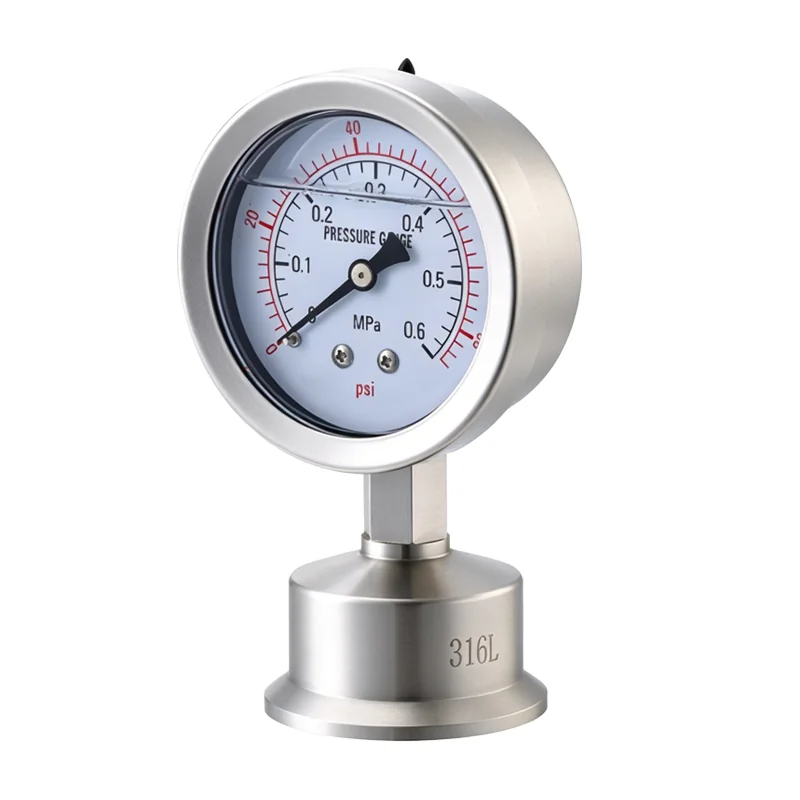
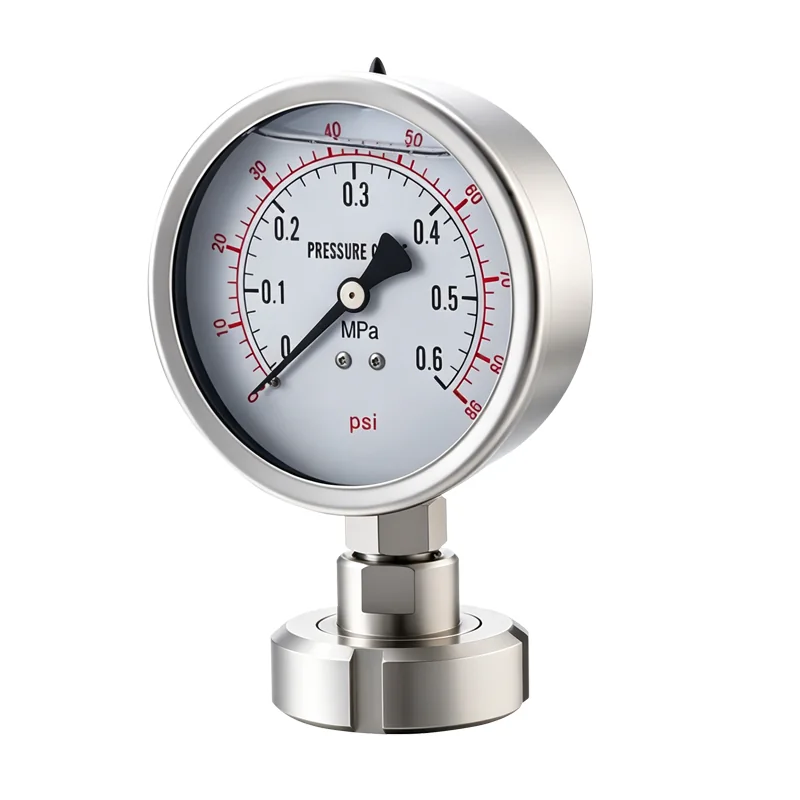
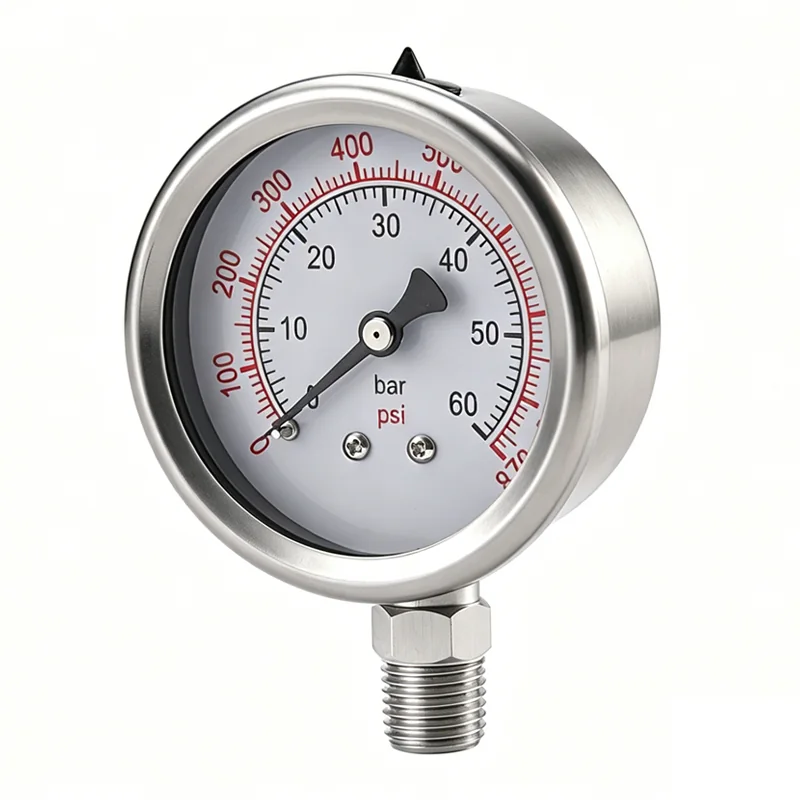
Manogauge manufactures direct-acting diaphragm pressure gauges designed for corrosive, viscous or hygiene-sensitive media where a conventional Bourdon tube would become blocked or damaged by process contact.

Or email us: sales@manogauge.com

Diaphragm Pressure Gauge Manufacturer
01Diaphragm gauge and isolating diaphragm seal options
02For corrosive, viscous, clogging or sanitary-adjacent service
032–4 week standard lead time · Samples on request
ISO 9001 ManagedKS / EN837-1 by Model23 Countries Served24h RFQ ResponseSamples Available
Priority indexed landing pages

These pages cover custom OEM, China factory, explosion-proof and sanitary pressure gauge buying-intent queries, giving Googlebot a stronger internal path to rediscover and recrawl them.

Custom & OEM Pressure Gauge ManufacturerPressure Gauge Manufacturer in ChinaExplosion Proof Pressure Gauge ManufacturerSanitary Pressure Gauge Manufacturer
01

How a diaphragm gauge works

A flexible diaphragm separates the process medium from the gauge movement. Pressure deflects the diaphragm, which transfers motion to the pointer via a linkage — keeping the medium fully isolated from the Bourdon tube and preventing blockage or corrosion of the measuring element.

02

Product scope

Direct-acting diaphragm gauges in sizes 40–100 mm. Wetted parts in brass or stainless steel. Connection threads G, PT and NPT in 1/8 to 1/2 inch. Bottom or back connection. OEM dial artwork, custom ranges and special materials available on request.

03

Typical applications

Chemical and petrochemical dosing systems, food and beverage slurry lines, wastewater treatment, pulp and paper processes, pharmaceutical API handling and any medium that is viscous, crystallising, highly corrosive or hygiene-sensitive.

04

Diaphragm versus Bourdon tube: when the element has to change

A Bourdon tube is a small-bore coiled tube: accurate, inexpensive and entirely unsuitable for anything that can settle, crystallise or solidify inside it. A diaphragm element replaces that narrow bore with a flat or corrugated disc clamped between two flanges, so the process sees a smooth, easily flushed face instead of a dead-ended tube. Three situations usually force the change. First, low pressure: below roughly 0.6 bar a Bourdon tube produces too little deflection for a readable scale, while a diaphragm still gives full pointer travel. Second, media that clog — slurries, latex, pigments, crystallising salts and fibrous liquids. Third, cleaning requirements, where a flush-mounted diaphragm can be wiped or CIP-cleaned and a Bourdon tube cannot. Where the medium is aggressive but clean and the pressure is high, a Bourdon gauge behind a diaphragm seal is often the better answer than a diaphragm element gauge, because it keeps Bourdon accuracy and range while still isolating the medium.

05

Temperature error and capillary length in diaphragm seal systems

A diaphragm seal system is a closed, fill-fluid-filled volume between the diaphragm and the gauge. That fill fluid expands with temperature, and the expansion shows up as a reading error rather than as a fault. Two variables control how large the error becomes: the volume of fill fluid and the span of the gauge. A long capillary holds more fluid and therefore produces more temperature error, and a low-span gauge is affected proportionally more by the same absolute shift. As a practical rule, keep capillary length as short as the installation allows, prefer a direct-mounted seal over a capillary wherever the gauge can sit at the tapping, and question any low-range application that carries several metres of capillary. Fill fluid choice also matters: silicone oil is the general-purpose default, halocarbon fluids are used for oxygen service, and food-grade or FDA-listed fills are specified for food, beverage and pharmaceutical duty. State the process temperature, ambient temperature range and required span when requesting a seal assembly so the temperature effect can be estimated before manufacture.
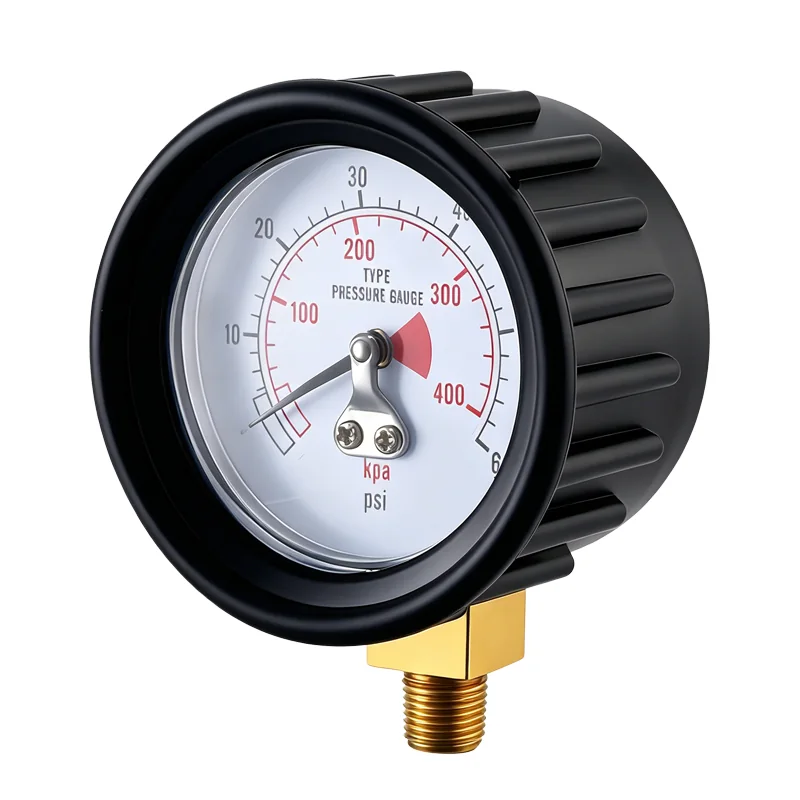
SPEC

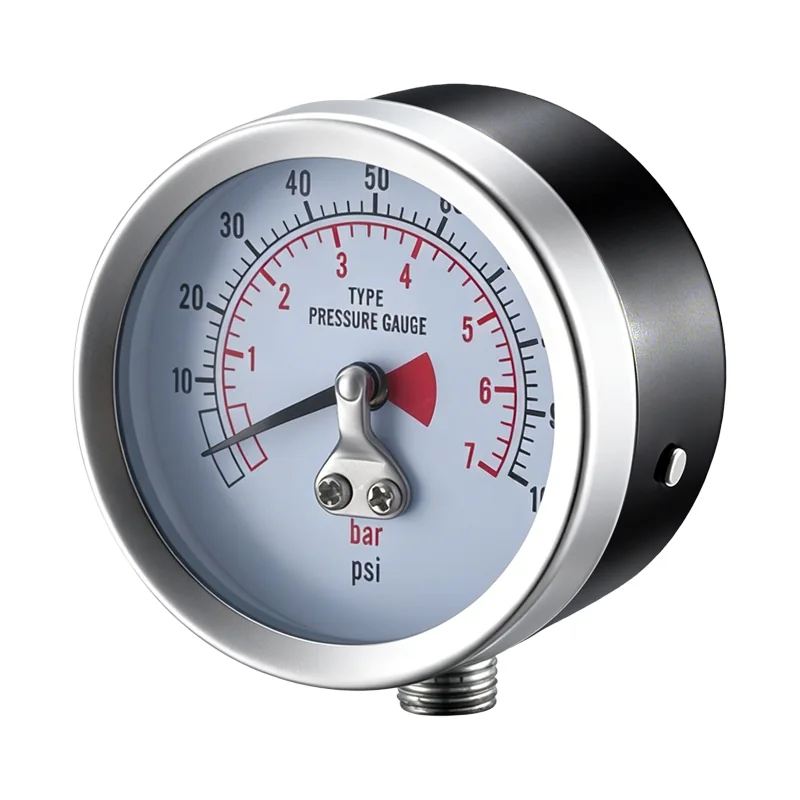
Diaphragm pressure gauge specification reference

Final configuration still depends on medium, temperature, pressure, connection and documentation requirements.

ItemCommon optionsSelection note
Pressure rangeLow pressure to 40 bar, depending on diaphragm typeConfirm normal pressure, pressure peaks and overpressure margin before selecting the capsule or diaphragm element.
Dial size40 / 60 / 80 / 100 mmLarger dials improve readability on skid packages and elevated pipe runs.
Wetted materialBrass, 304 SS, 316L SS, PTFE-lined or special alloy by RFQMaterial must be checked against medium name, concentration and temperature.
ConnectionG, PT, NPT, flange or sanitary-adjacent connection by modelConnection standard controls whether the gauge can be installed directly or needs an isolating seal.
DocumentationCalibration record, hydrostatic test record, material certificate by order scopeKS / EN837-1 documents are confirmed by applicable model and destination market.
APPLICATION

Chemical dosing skid selection example

For a sodium hypochlorite dosing skid, the buyer should not select only by pressure range. The RFQ should state chemical concentration, normal pressure, pulsation from the metering pump, pipe material and whether crystallisation occurs during shutdown.

  • Use diaphragm isolation when the medium can corrode or clog a Bourdon tube.
  • Confirm 316L, PTFE-lined or other wetted material before production.
  • Add a snubber or liquid-filled movement if metering pump pulsation makes the pointer unstable.
RFQ

RFQ checklist

Process medium and concentrationPressure range and unitTemperature at the diaphragmConnection thread and sizeWetted part material (brass / stainless)Dial size and mounting orientation
Next step

Turn this page into a quote-ready specification

Use the RFQ form when you have range, connection, quantity or drawings. Use WhatsApp when you only need a quick compatibility check before preparing the full purchase file.

Company + work emailPressure range and unitMedium and temperatureThread / connectionQuantity or sample need
FAQ

Buyer FAQ

Request Quote

What is the difference between a diaphragm gauge and diaphragm seal?

A diaphragm gauge uses a diaphragm sensing element for low pressure. A diaphragm seal isolates a standard gauge from the process medium through a sealed diaphragm assembly.

Can diaphragm gauges handle corrosive media?

They can be configured for many corrosive media, but material and seal design must be checked against the exact medium, concentration and temperature.

What should I send for RFQ?

Send medium, concentration, temperature, pressure range, connection standard, installation position, required material and quantity.

What is the minimum order quantity?

MOQ for standard diaphragm gauge models is typically 10–50 units. Special diaphragm materials or custom process connections may have higher minimums. Send your requirement for a confirmed MOQ.

Can I get a sample before a full order?

Yes. Sample diaphragm gauges are available. Submit your specification via the RFQ form and note your sample requirement — our team will confirm availability and lead time.

When should I choose a diaphragm gauge instead of a Bourdon tube gauge?

Choose a diaphragm element for low pressure ranges where a Bourdon tube gives too little movement, and for media that would settle, crystallise or block a narrow tube — slurries, pigments, latex, fibrous or crystallising liquids. For clean but aggressive media at higher pressure, a Bourdon gauge fitted with a diaphragm seal usually gives better accuracy and range than a diaphragm element gauge.

How does ambient temperature affect a diaphragm seal reading?

The fill fluid between the diaphragm and the gauge expands with temperature and shifts the reading. The effect grows with fill volume and with lower gauge span, so long capillaries combined with low-range gauges are the worst case. Keep capillary length short, mount the seal directly where possible, and provide the process and ambient temperature range so the expected shift can be assessed before manufacture.

Free technical guides

Download pressure gauge selection and OEM guides

Route buyer traffic into downloadable PDF guides for selection, thread standards, materials, installation, troubleshooting and OEM customization.